
December 30, 2025
Winter Tree and Shrub Pruning in Wisconsin
Dormant-season pruning supports healthier growth, structure, and long-term beauty.
Winter Is the Best Time to Prune — Our Certified Arborists Can Help
Winter pruning improves tree health, structure, and safety. Our experienced arborists provide professional tree and shrub pruning throughout Southeastern Wisconsin.
Winter tree and shrub pruning is one of the most effective ways to support healthy growth, strong structure, and long-term beauty in Wisconsin landscapes. During the dormant season, trees and shrubs respond better to pruning, making winter an ideal time to thin and prune for improved plant health and performance.
What Does “Thinning and Pruning” Mean?
Pruning and thinning are often used together, but they serve slightly different purposes.
- Pruning involves selectively removing branches to improve structure, safety, and appearance.
- Thinning is a type of pruning that removes select branches throughout the plant to reduce density while preserving its natural shape.
Both techniques are used on trees and shrubs to encourage healthy growth and reduce long-term issues.
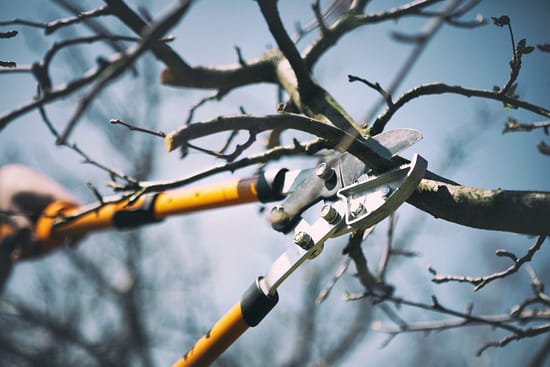
Why Winter Is the Best Time to Thin and Prune
1. Plants Are Dormant
During winter, trees and shrubs are not actively growing. This dormancy allows pruning cuts to heal properly once growth resumes in spring, reducing stress on the plant.
2. Improved Visibility of Structure
Without leaves, the natural structure of trees and shrubs is much easier to see. This makes it easier to:
- Identify crossing or rubbing branches
- Remove weak or poorly placed growth
- Improve overall balance and form
Winter pruning allows for more precise, intentional cuts.
3. Reduced Risk of Disease and Pests
Many insects and plant diseases are inactive during winter months. Pruning at this time lowers the risk of spreading disease or attracting pests through fresh cuts.
4. Encourages Healthy Spring Growth
Proper winter thinning and pruning directs energy to strong, healthy branches. When spring arrives, plants respond with:
- More vigorous growth
- Better flowering (for many species)
- Improved air circulation and light penetration
5. Prevents Storm Damage
Removing weak, damaged, or overcrowded branches in winter helps reduce the risk of breakage from snow, ice, and wind — a common issue in Wisconsin winters.
What Trees and Shrubs Benefit Most from Winter Tree and Shrub Pruning
Winter is ideal for many types of plants, including:
- Shade trees
- Ornamental trees
- Deciduous shrubs
- Overgrown or neglected plantings
Some spring-flowering shrubs may require different timing to avoid reducing blooms, which is why professional guidance is important.
Why Professional Thinning and Pruning Matters
Improper pruning can cause long-term damage, stress plants, or create safety issues. Working with experienced professionals ensures:
- Proper pruning techniques
- Correct timing by species
- Preservation of natural shape
- Improved plant health and longevity
At David J. Frank, our team understands how Wisconsin’s climate affects trees and shrubs and applies proven pruning practices to support long-term landscape success.
Plan Ahead for a Healthier Landscape
Winter thinning and pruning is an investment in the future of your landscape. Addressing structural issues now leads to healthier growth, fewer problems, and a stronger, more attractive landscape come spring.
If your trees or shrubs are due for attention, winter is the perfect time to act.